Best Practices
CHINATOWN COMMUNITY DEVELOPMENT CENTER
Sustainability as Part of Community Culture
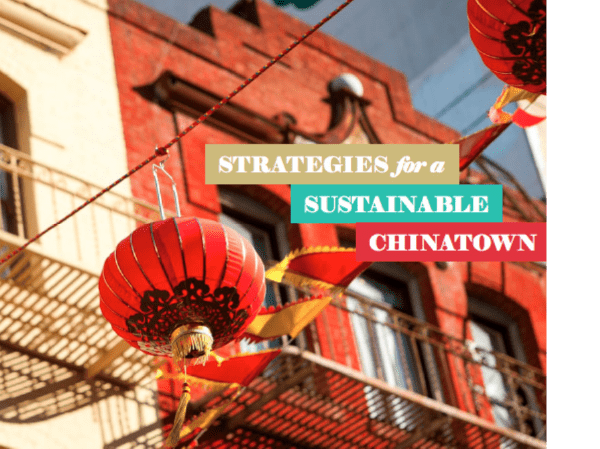
Chinatown CDC is proof that community engagement strategies can directly enhance and boost the longevity of comprehensive health strategies while effectively supporting energy and health goals. The sustainability priorities that exist in the Chinatown neighborhood of San Francisco, California have long centered around community engagement and are directly built upon the needs and desires of the people who live there.
Sustainable Chinatown is a partnership between CCDC and the Department of Energy (DOE) and is funded through Enterprise Community Partners. The initiative implements sustainability efforts in Chinatown, focusing on improving access to parks, public transportation, and green spaces. Key strategies include upgrading public housing projects, upgrading alleyways, and advocating for a new subway station, which aim to create a more sustainable and livable neighborhood. The resident component of the initiative greatly impacts lifestyle in the community.
What makes this community truly innovative is its unique definition of sustainability. Rather than adopting a one-size-fits-all approach, residents and partners have tailored their sustainability goals to leverage existing assets. After exploring different sustainability metrics, they aligned their values with sustainable practices and are successfully accessing IRA funding.
In addition, CCDC knows that large-scale sustainability initiatives can be difficult for smaller organizations to access due to ongoing funding requirements. To address this challenge, CCDC works collaboratively to share information and assets. Despite any obstacles, the goal is to help others navigate the process and make use of available resources. CCDC is exploring opportunities to share equipment as well as tasks related to building management by sharing information, benchmarking, prioritizing communication, resource sharing and potential group funding opportunities. As CCDC works to build energy efficiency into its buildings and operations, the usual limitations in funding and logistical constraints exist, but by addressing multifaceted issues associated with building rehabilitation and alternative energy use, a more sustainable and resilient environment can be created.
Tips for Success:
- Prioritize community needs and build from those needs
- Form relationships and go forward as a united front
- Identify collective challenges and assets and develop action steps
- Work collaboratively to increase opportunity for joint funding applications
Collaborative approaches, such as the regional coalition in the Bay Area (San Francisco, Oakland, etc.), can be instrumental in tapping into funding opportunities and driving collective action.