Best Practices
LAKEVILLE VILLAGE (ROC)
Community Solar in Manufactured Home Communities
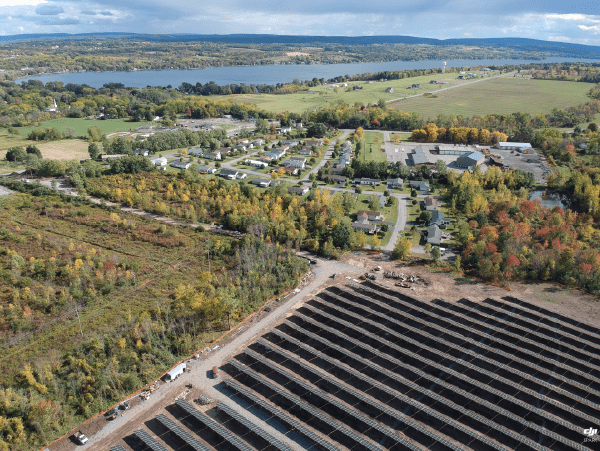
In 2019, Lakeville Village – a Resident Owned Community (ROC) in upstate New York – developed a sustainable solar energy farm with RER Energy Corporation. Completed in 2022, the farm now provides energy to approximately 800 homes and businesses in the surrounding community, while helping the ROC to reduce its environmental footprint. It also provides important revenue of about $17,000 a year (with a 1.5% increase each year) for the term of the lease, which is 25 years. After that, the ROC will have the option to renew for 10 years. In addition, they negotiated a reclamation bond in the contract to ensure the company removes equipment and returns the space to its natural state once the agreement ends. In addition to annual revenue for the community, each resident gets a 10% discount on their individual resident energy bills.
To create a successful and effective community solar project, Lakeville found it was key to have a ‘community champion,’ who could provide information and support within the community, connect with technical assistance providers, and build relationships with contractors, policy experts and local government. Education was key to getting buy in and outreach included efforts to connect with community members, local elected officials, businesses, residents, the municipality, utility companies and others. The communication strategy must be comprehensive and it’s best if the community champion is willing to participate for the duration of the project, including planning and development phases.
A few things to be ready for:
Direct Problem Solving – Installation of a solar farm can bring unexpected challenges that need to be solved. For example, Lakeville realized the need for a new road, so worked with the community and local government to solve that issue. Be prepared to take on challenges with direct solutions; this will help everyone be more comfortable with the project.
Community Involvement – Education and communication are critical for success. Lakeville went door to door, using a tablet to gather input and obtain signed agreements from all residents. Be ready for difficult conversations and opposition; gathering facts related to value and the bigger picture helps. Prepare your messaging!
Government involvement – Education and communication plans must also include local government. This may take time and require specific skills but is worth the effort. Be ready to present details about the solar array as well as tax implications, impact on the community overall, etc.

Manufactured housing is a natural fit with energy and sustainability and resilience work. HUD code for manufactured housing puts newer homes at high energy efficiency and many communities that have space for solar farms can benefit from energy savings and revenue.